
Walking Rehabilitation
Improving walking quality, speed, endurance and confidence through repetitive, task-specific training.
CONDITIONS WE SUPPORT
Physiotherapy after acquired brain injury, including traumatic brain injury, at home or in our Ashmore clinic on the Gold Coast.
01 / BRAIN INJURY
A brain injury can affect almost every aspect of a person's life, from movement and balance to memory, behaviour and confidence. While the effects of a brain injury vary considerably from person to person, rehabilitation plays a vital role in helping individuals regain function, maximise independence and return to meaningful activities.
At Equip Rehabilitation, we provide neurological physiotherapy for adults living with acquired brain injury, including traumatic brain injury across the Gold Coast. Whether your injury occurred recently or many years ago, our focus is helping you achieve meaningful improvements through evidence-based neurological rehabilitation.
Recovery following a brain injury is often a long-term journey. We believe rehabilitation should continue beyond hospital discharge and evolve as your goals, abilities and lifestyle change.
02 / BRAIN INJURY
A brain injury occurs when damage to the brain affects its normal function.
Acquired brain injury (ABI) refers to brain damage occurring after birth. It includes both traumatic and non-traumatic causes:
Traumatic Brain Injury (TBI), resulting from an external force such as a fall, motor vehicle accident or sporting injury.
Non-traumatic acquired brain injury may result from stroke, lack of oxygen to the brain, infection or brain tumours. Traumatic brain injury (TBI) is a type of ABI, not a separate category alongside it.
Because different areas of the brain control different functions, every brain injury presents differently. Rehabilitation should always be individualised and guided by each person's strengths, challenges and goals.
03 / BRAIN INJURY
People living with a brain injury may experience:
Many people also experience reduced confidence when returning to work, community activities or recreation.
04 / BRAIN INJURY
Following a brain injury, the nervous system has the ability to adapt and reorganise through a process known as neuroplasticity.
Physiotherapy aims to encourage this process by providing repetitive, task-specific practice that challenges the brain in meaningful ways.
At Equip Rehabilitation, we focus on helping people improve real-life activities rather than simply completing exercises. Whether your goal is walking safely, improving your fitness, returning to the golf course, increasing your independence at home or participating more confidently in the community, your rehabilitation program is built around what matters most to you.
Rehabilitation should remain progressive, goal-oriented and enjoyable to encourage long-term participation.
05 / BRAIN INJURY
Every participant undergoes a comprehensive neurological assessment before an individualised rehabilitation plan is developed.
Treatment may include:
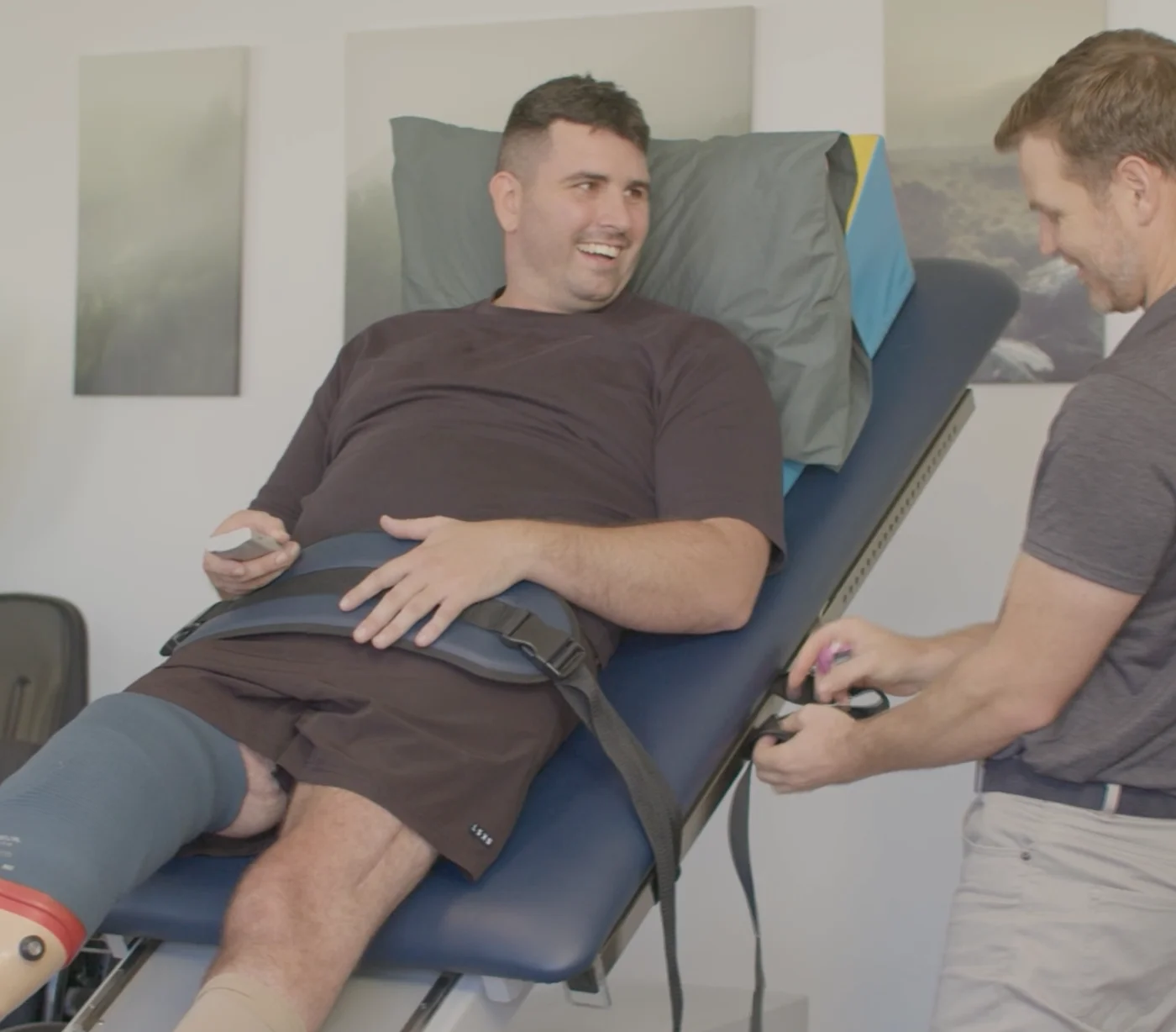
Improving walking quality, speed, endurance and confidence through repetitive, task-specific training.
Targeted exercises designed to improve stability, reduce falls risk and increase confidence during everyday activities.
Progressive resistance training to improve functional strength, mobility and overall physical health.
Practising meaningful activities such as transfers, stairs, community mobility and everyday movements that support greater independence.
Exercises and functional activities designed to improve shoulder movement, arm function and hand use where appropriate.
Improving endurance, reducing fatigue and supporting overall neurological recovery through individually prescribed aerobic exercise.
Identifying factors contributing to falls and developing practical strategies to improve safety both at home and within the community.
Structured exercise programs designed to maintain progress between physiotherapy sessions and encourage ongoing recovery.
06 / BRAIN INJURY
Brain injury rehabilitation often involves a multidisciplinary team.
At Equip Rehabilitation, we regularly work alongside:
Working collaboratively ensures rehabilitation is coordinated, goal-directed and focused on meaningful participation in everyday life.
07 / BRAIN INJURY
Therapy should occur where it is most relevant.
Depending on your goals, rehabilitation may take place:
Some people benefit from practising stairs at home, while others work towards returning to the gym, walking longer distances or participating in recreational activities. Your rehabilitation program is designed around your individual goals rather than a standard protocol.
08 / BRAIN INJURY
Neurological rehabilitation is our primary area of practice.
Our physiotherapists have extensive experience supporting adults living with complex neurological conditions, including traumatic and non-traumatic acquired brain injuries.
We believe rehabilitation should be:
Rather than focusing solely on impairment, we aim to help people participate more fully in the activities that give their lives purpose and meaning.
09 / BRAIN INJURY
Yes. Improvements in mobility, strength, balance and physical capacity can continue well beyond the initial stages of recovery when rehabilitation remains targeted and progressive.
Yes. Home-based rehabilitation allows therapy to focus on the environments and activities that are most relevant to your daily life.
Yes. Many participants benefit from combining home-based rehabilitation with gym-based strength, balance and conditioning programs.
You can contact Equip directly to discuss an appointment. Your funding arrangement may require a referral, service agreement or other documentation; our team can explain what is needed. Where medical assessment or surgical instructions are needed, we will discuss these with you before treatment.
Many people continue to achieve meaningful improvements long after their injury. Your rehabilitation program will be based on your current abilities and future goals rather than when the injury occurred.
10 / BRAIN INJURY
Recovery following a brain injury is rarely a straight line, but meaningful progress is possible at every stage of rehabilitation.
Whether your goal is improving your walking, building strength, increasing your confidence or returning to the activities you enjoy, Equip Rehabilitation provides evidence-based neurological physiotherapy designed around your individual goals.
Contact our team to learn more about our brain injury rehabilitation services.
These resources provide background information. Your rehabilitation plan depends on your assessment, goals and treating team’s recommendations.
For physiotherapy after an acquired brain injury (ABI), Equip works with self-managed and plan-managed NDIS participants only. We are not an NDIS-registered provider and cannot claim NDIA-managed (agency-managed) funding.
Read about NDIS physiotherapy and getting started. Our team will confirm service suitability, funding arrangements, current availability, fees and any travel charges before appointments begin. Funding for a particular service must be confirmed individually.
You can contact Equip directly. Support coordinators, GPs and treating teams can make an ABI physiotherapy referral with the person’s consent. Include their rehabilitation goals, preferred appointment setting and funding arrangements.
Explore home physiotherapy visits, gym rehabilitation and Ashmore clinic appointments.
Contact our team to discuss service suitability, availability, funding arrangements and any referral information needed for your circumstances.
Get in touchLET’S TALK ABOUT YOUR GOALS
Tell us what matters to you. We’ll help you explore the right rehabilitation options.